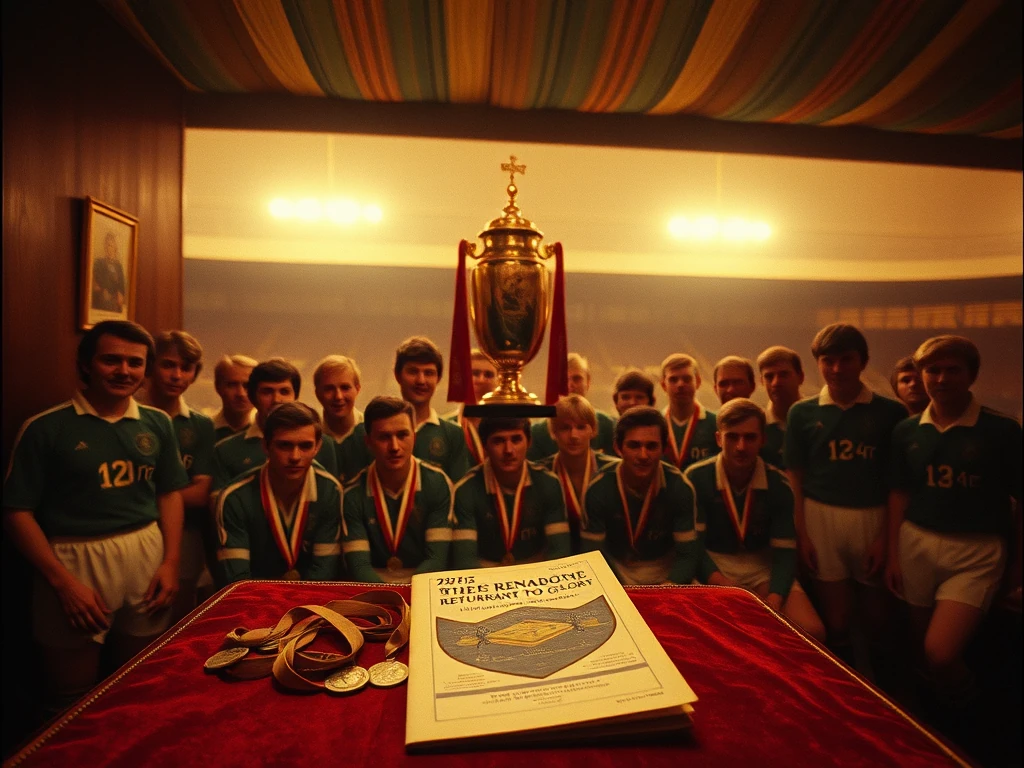
The 1980s were a major decade for Plymouth Argyle, a time when the club went from facing relegation battles to tasting success once again. Following a turbulent late 1970s that saw the Pilgrims struggling in the lower echelons of the Football League, the arrival of manager Dave Smith in 1982 heralded a new dawn for the club, as he laid the groundwork for a renaissance that would captivate the Green Army.
Smith's reign began with a focus on youth development and a commitment to attacking football that would soon resonate with fans at Home Park. Under his guidance, a talented crop of players emerged, including the likes of Paul Mariner and the skillful winger, Steve McCall. Their flair and determination quickly turned the tide, leading to a resurgence in form that saw the team pushing towards the top of the table.
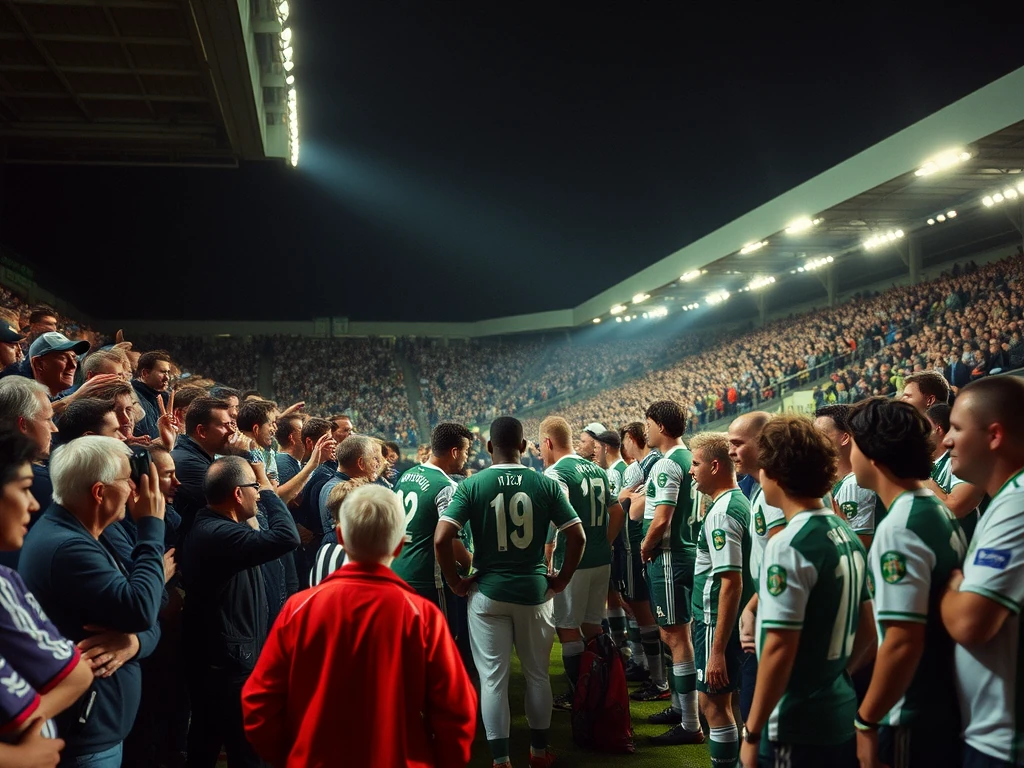
The 1983-84 season was key, as Plymouth Argyle finished third in the Third Division, securing promotion to the Second Division for the first time in nearly a decade. The excitement among the supporters was palpable, with the Green Army filling the stands, creating an electric atmosphere at Home Park. The team’s style of play, characterized by quick passing and relentless pressing, had fans dreaming of bigger things, and the club’s fortunes were once again on the rise.
The following season, Argyle's success continued, as they established themselves in the Second Division. The highlight of this campaign came in 1985, when Plymouth Argyle recorded their longest unbeaten home run in the club's history, a feat that further solidified their reputation as a tough opponent on the pitch. Smith's tactical acumen and the players' unwavering commitment ensured that the club was not only competitive but also a joy to watch.
However, it wasn't just the on-field success that defined this era. The Green Army's loyalty and passion were key in lifting the team through challenging moments. Rivalries, especially with Exeter City, added an extra layer of intensity to the matches, as fans rallied behind their team with fervor. The connection between the players and supporters grew stronger, creating a bond that would prove vital in the years to come.
By the end of the decade, Plymouth Argyle had established themselves as a formidable force in English football, setting the stage for even greater ambitions in the 1990s. The club's rise in the 1980s was not only about promotion; it was about reclaiming a sense of pride and identity within the local community. The Green Army had witnessed their beloved Pilgrims rise from the ashes, and the memories of those thrilling games filled with hope and excitement will forever be etched in the hearts of Argyle fans.
As we look back on this significant chapter in Plymouth Argyle's history, it serves as a reminder of the resilience and passion that defines the club. The 1980s were not only a decade of footballing achievement; they were a time of rediscovery for a club that had once seemed lost. The lessons learned and the spirit ignited during this period continue to resonate with fans, inspiring future generations of Pilgrims to dream big.