
Revitalizing The Pilgrims: Tactical Adjustments for Improved Play
As Plymouth Argyle continues to navigate the challenges of League competition, their recent form has highlighted both strengths and weaknesses within their tactical setup. While there have been moments of brilliance, inconsistency remains a prominent issue. A deeper dive into the tactical aspects of the team's performance reveals several areas for potential tweaks that could bolster their effectiveness on the pitch.
Current Tactical Overview
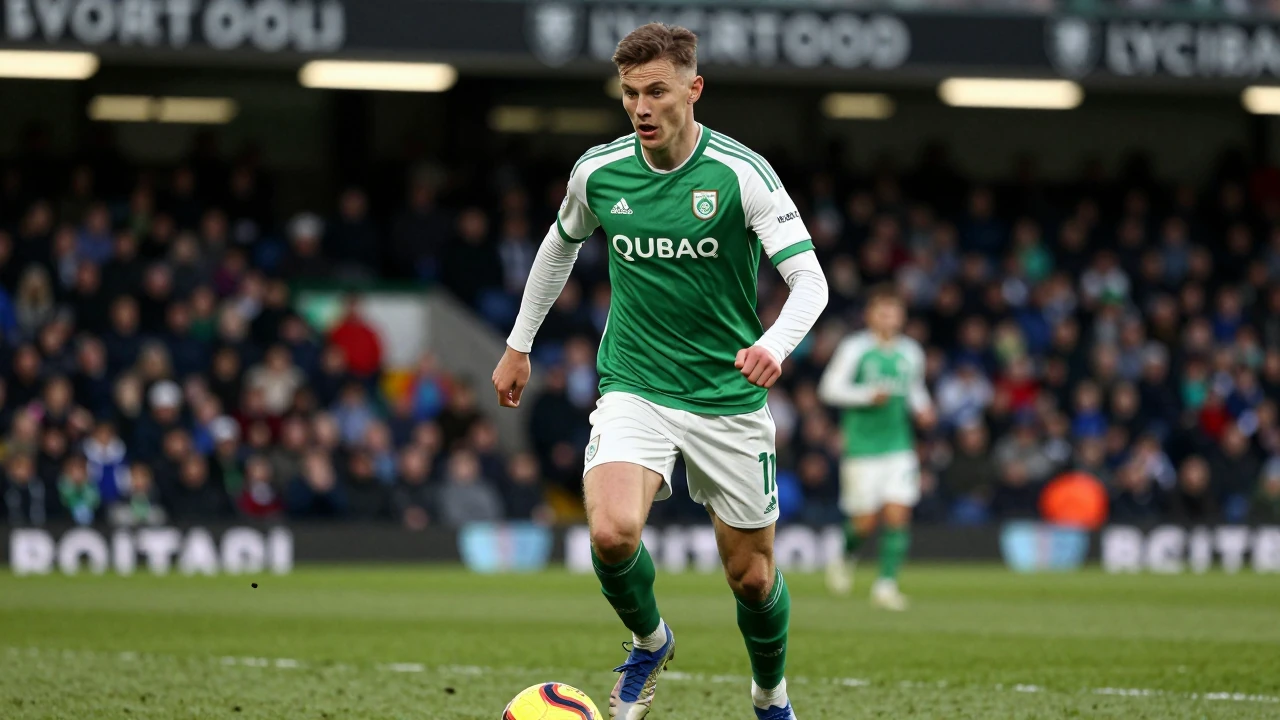
Under the guidance of the coaching staff, Argyle has employed a fluid attacking style, often characterized by quick transitions and a focus on width. The wingers have been pivotal in stretching the opposition's defence, allowing for crucial space in central areas. However, as the season progresses, opponents have begun to adapt, making it essential for Argyle to evolve their approach.
Defensively, the team has shown vulnerabilities, particularly when transitioning from attack to defence. The midfield can often be caught out of position, leaving the backline exposed to counter-attacks. This tactical gap suggests that a more disciplined approach in midfield could help mitigate risks and provide a stronger shield for the defence.
Suggested Tweaks to Formation
One potential adjustment involves transitioning from a 4-3-3 formation to a 4-2-3-1 setup. This change would allow for two holding midfielders, providing greater stability and support to the backline. By placing an emphasis on defensive solidity, Argyle can still maintain their attacking identity while ensuring that they are not overly exposed during transitions.
The introduction of a second holding midfielder would also allow the more creative players in the squad to operate with increased freedom. This could enhance the team's ability to exploit defensive weaknesses while retaining a solid structure in the middle of the park. Players like B. Sarpong-Wiredu could thrive in a more advanced role, linking play between defence and attack effectively.
Enhancing Attacking Dynamics
In addition to a formation tweak, an emphasis on positional rotation among attacking players could help to disorient opposing defences. Encouraging the wingers to cut inside more frequently can create space for overlapping full-backs, while central attacking midfielders can interchange positions with forwards to keep defenders guessing. This dynamic movement is crucial in breaking down well-organized defensive units, especially in tight matches where space is at a premium.
Moreover, enhancing set-piece strategies could provide a critical edge for The Pilgrims. With the right personnel in place, developing a variety of routines tailored to exploit specific defensive weaknesses could lead to crucial goals from dead-ball situations-an area where they have historically found success.
Conclusion
As Plymouth Argyle gears up for the busy weeks ahead, the opportunity for tactical refinement is ripe. By implementing these suggested tweaks, the team can not only address its current inconsistencies but also reinforce its strengths. With the right adjustments, The Pilgrims could unlock their true potential, making a strong push for a successful campaign in League play. Fans will be eagerly watching to see how these changes unfold on the pitch.